
Periodontal (gum) disease is one of the most common oral health conditions affecting adults and often progresses quietly until significant damage has occurred. Understanding how gum disease begins and affects the supporting structures of the teeth is essential for recognising early signs and protecting long-term oral health.
What Is Periodontal (Gum) Disease?
The term “periodontal” means “around the tooth.” Periodontal disease (also known as periodontitis and gum disease) is an inflammatory condition affecting the supporting and surrounding soft tissues of the teeth, and in advanced stages, the jawbone.
It is most often preceded by gingivitis, a bacterial infection caused when toxins in plaque irritate and inflame the gum tissues. As this infection settles into the gum pockets between the teeth, it becomes more difficult to remove and treat.
Periodontal disease is progressive and can lead to the destruction of connective tissue and jawbone. If left untreated, it may cause shifting teeth, loose teeth, and eventual tooth loss. It is the leading cause of tooth loss among adults in the developed world, and understanding what a periodontist is and how this specialist treats gum disease can be essential for managing the condition effectively.
Causes of Periodontal Disease
Periodontal disease often develops when toxins in plaque begin to irritate and inflame the gingival tissues that support the teeth. As this irritation continues, an ongoing bacterial infection can develop. If untreated, the infection may progress and contribute to gum and bone deterioration, which can ultimately promote tooth loss. In some cases, bacteria associated with gum disease may even enter the bloodstream and affect other areas of the body.
There are also genetic and environmental factors that influence the likelihood of developing gum disease, and in many cases, the risk can be reduced with proper preventive care.
Common Causes of Gum Disease
Poor dental hygiene – When bacteria and calculus (tartar) are not removed, the gums and bone can be affected by bacterial toxins, leading to gingivitis or periodontitis.
Tobacco use – Smoking and tobacco use significantly increase the development and progression of gum disease.
Genetic predisposition – As much as 30% of the population may have a strong genetic predisposition to gum disease.
Pregnancy and menopause – Hormonal changes can make gum tissues more sensitive to disease.
Chronic stress and poor diet – Stress reduces immune response, and malnutrition weakens gum health.
Diabetes and underlying medical issues – Conditions such as heart disease, respiratory disease, arthritis, osteoporosis, and diabetes can intensify the progression of gum disease.
Grinding teeth – Clenching or grinding can damage supporting tissues and accelerate gum disease.
Medication – Oral contraceptives, heart medications, antidepressants, and steroids can affect the condition of the gums and increase disease susceptibility.
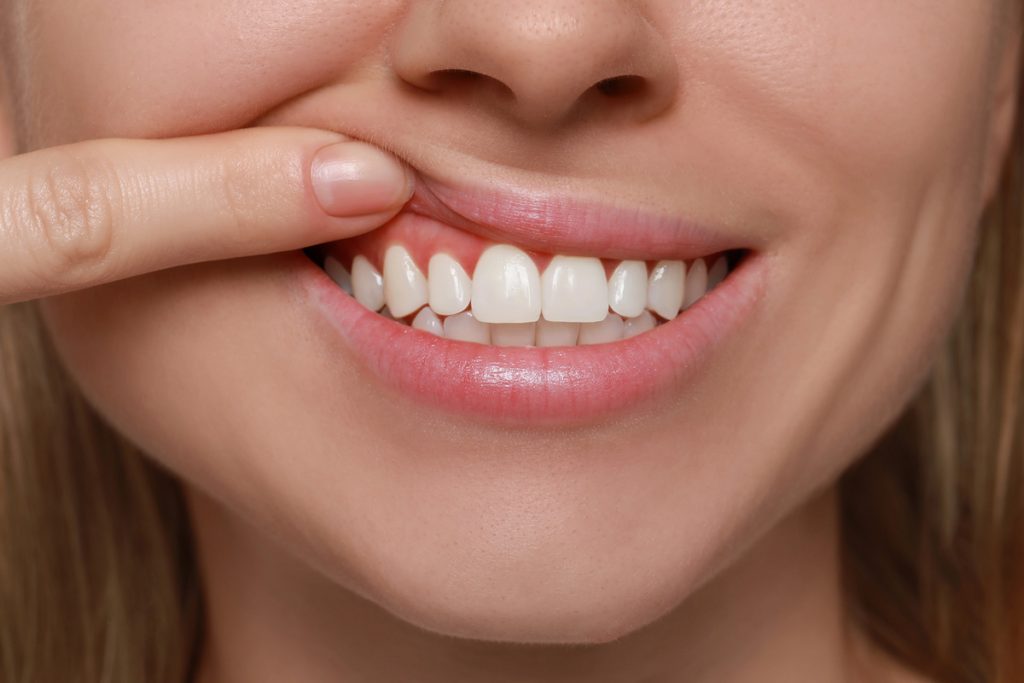
Types of Periodontal Disease
When left untreated, gingivitis (mild gum inflammation) can spread below the gum line. A chronic inflammatory response causes the body to break down and destroy its own bone and soft tissue. Deepening pockets between the gums and teeth indicate that soft tissue and bone are being destroyed by periodontal disease.
There is a wide variety of periodontal diseases, and many ways in which these variations manifest themselves. All require immediate treatment to halt progression and save the gum tissue and bone.
Common Types of Periodontal Disease
Gingivitis
The mildest and most common form of periodontal disease. Gingivitis is caused by the toxins in plaque and leads to periodontal disease.
Chronic Periodontitis
Characterised by inflammation below the gum line and progressive destruction of the gingival and bone tissue. Gum recession gives the appearance of longer teeth.
Aggressive Periodontitis
Characterised by rapid loss of gum attachment, rapid bone destruction, and familial aggregation. Progresses faster than chronic periodontitis.
Periodontitis Related to Systemic Conditions
Heart disease, diabetes, and respiratory disease are common cofactors. These conditions intensify and accelerate periodontal disease.
Necrotising Periodontal Disease
Occurs most often alongside HIV, immunosuppression, malnutrition, chronic stress, or smoking. Tissue death affects the periodontal ligament, gingival tissues, and alveolar bone.
Signs & Symptoms of Periodontal Disease
Periodontal disease occurs when the toxins found in plaque begin to irritate or inflame the gingiva (gum tissue). Gingivitis can lead to destruction of gum tissue and bone, and if untreated, tooth loss.
There are several types of periodontal disease, each with its own characteristics and symptoms, and all require prompt treatment.
Common Signs & Symptoms
- Unexplained bleeding – When brushing, flossing, or eating.
- Pain, redness, or swelling – Indicates a possible periodontal infection.
- Longer-looking teeth – Caused by gum recession.
- Bad breath/halitosis – Caused by debris and bacteria in deep gum pockets.
- Loose teeth or bite changes – A sign of rapidly progressing periodontitis.
- Pus – Pus between teeth is a clear sign of infection.
Regular dental checkups are important because periodontal disease can progress without pain.
Treatment for Periodontal Disease
A complete periodontal exam will be done before any treatment is recommended. Depending on the condition of the teeth, gums, and jawbone, treatment may include surgical or nonsurgical procedures.
- Scaling and root planing – Removes bacteria and calculus from gum pockets; antibiotic treatment may be used.
- Tissue regeneration – Grafting procedures encourage the regrowth of bone and gum tissue.
- Pocket elimination surgery (flap surgery) – Reduces pocket size between teeth and gums.
- Dental implants – Replace teeth lost due to periodontal disease; grafting may be needed first.
- Laser treatment – Reduces pocket depth.
- Tissue and bone grafting – Rebuilds lost tissue.
Protecting your natural dentition is essential, and consistent preventive care plays a major role in lowering the risk of periodontal disease.
Comprehensive Gum Care at Decatur Dental Care
If you have questions or concerns about periodontal disease, periodontal treatment, or dental implants, our team at Decatur Dental Care is here to help. Contact us today to schedule your consultation and protect your gum health.