
Full-Arch Rehabilitation in Little Rock for Missing or Failing Teeth

Living with failing teeth or uncomfortable dentures affects more than your smile. It changes the way you eat, speak, and feel in everyday situations. Full-arch rehabilitation replaces an entire upper or lower arch with an implant-supported restoration, giving you a stable, natural-looking set of teeth that feels secure when you eat, talk, and smile.
At Rainwater Drake Dental, our doctors have completed advanced full-arch rehabilitation training at Arrowhead Dental Laboratory. We use Cone Beam CT 3D imaging to plan every case carefully, and your care stays with one team from the first visit through the final restoration. Everything happens in one place, with doctors who have been part of this community for decades.
A lot of patients who come in for this conversation have been putting it off for years. We understand why. This is a big decision, and we want you to leave your first visit feeling clear about your options, not pressured into anything.
As Dr. Drake often tells patients considering full-arch rehabilitation,
"Full-arch rehabilitation is one of the most meaningful things we do here. When someone comes in after years of struggling with failing teeth or dentures that don't stay put, and they leave with a stable, beautiful smile that actually functions, that is why I do this work. My job is to make sure every patient understands exactly what is possible for their specific situation before we ever talk about treatment."
What Is Full-Arch Rehabilitation?
Full-arch rehabilitation replaces all teeth in the upper, lower, or both jaws using a fixed implant-supported solution. Instead of removable dentures that shift, these restorations anchor directly to dental implants. The result is stable, natural-feeling teeth that don't move.
Treatment may include several implant-based solutions, including All-on-4, All-on-6, or custom implant bridges. Depending on your situation, preparatory steps such as extractions or bone grafting may also be part of the plan. Every case is built around your oral health and bone structure, and what you want your smile to look and feel like long-term shapes your treatment from the start.
Why Planning and Experience Matter for Full Mouth Restoration in Little Rock
Full mouth restoration is one of the most involved treatment processes in dentistry. Successful results depend on careful planning, technical precision, and a team that can guide you confidently through every stage of care.
Not every general dental office offers the level of full-arch rehabilitation training our doctors have completed at Arrowhead Dental Laboratory. Every full-arch case is planned using Cone Beam CT 3D imaging and the iTero digital scanner, allowing us to evaluate your bone structure carefully and show you what may be possible before treatment begins. Sedation options are available for your comfort. Because everything happens in one office with one team, you avoid being passed between multiple providers.
This practice has served Little Rock for more than 30 years. Our doctors are young, deeply rooted here, and plan to stay. When you're making a decision this significant, that continuity matters. You want a team that will be here five and ten years from now, not just for the procedure itself.
"A fantastic dental service where everybody knows your name because they care. A delightful staff, an innovative communication system that is not annoying, top equipment to offer great services, and people who are just fine and respectful. I'm very grateful to have them in my foxhole."
"So I had a cracked filling that needed a crown. I absolutely hate being numbed and the dental work period. Dr. Hawkins is the best! His two assistants, Karen and Jordan, are friendly and caring. It was not fun, but knowing you're in good hands makes all the difference."
"Everyone is so friendly, and we know our dental needs will always be met with the highest standards. We wouldn’t think of going to any other dental office."
Who Is a Good Candidate for Full Mouth Restoration?
Most patients who come in for a full arch consultation have been dealing with these problems for longer than they should have. Here is what we typically see:
- You're missing most or all of your teeth due to decay, gum disease, or injury.
- You wear dentures and are frustrated by denture slip, soreness, or difficulty eating.
- You've been told you have failing teeth that can't be saved.
- You want a fixed, long-term solution that feels and functions like natural teeth.
- You've experienced bone loss and want to protect your facial structure.
- You're tired of ongoing dental work without a clear long-term plan.
Not every patient is an immediate candidate. Bone density and health matter. If bone loss is present, grafting can restore support for implant treatment. A 3D evaluation at your first visit shows your options. Even if full-arch rehabilitation isn't possible right away, we can often offer alternative solutions or a staged plan to help you move forward confidently.
You’ll leave your first appointment with a clear, honest understanding of your options and what makes the most sense for your situation, without pressure or a sales pitch.
How Full-Arch Rehabilitation Works
Step 1
Comprehensive Consultation and 3D Imaging
Your first visit starts with a detailed exam using Cone Beam CT imaging and the iTero digital scanner. This gives us a complete picture of your jawbone, teeth, and oral health. We also take time to learn about your goals, what you've been dealing with, and what a successful outcome looks like for you. Your treatment can then be planned accurately from day one with your situation in mind.
Step 2
Your Individualized Treatment Plan
Together, we build a step-by-step plan that walks through each phase of your care, what to expect, and how long each stage typically takes. We walk you through the imaging together so you can see exactly what we're seeing. Most patients tell us that part of the visit alone answers questions they've had for years. You'll leave with a clear picture of your options and what moving forward actually looks like.
Step 3
Preparatory Treatment, If Needed
If certain teeth can't be saved, they're removed as part of your overall plan. Bone grafting may also be needed to create a stable foundation for implants. These steps aren't surprises. They're built into your timeline from the start, so you understand what's happening and why before it ever happens. You'll know exactly what to expect at every stage.
Step 4
Implant Placement
Dental implants are placed into the jawbone to support your new teeth. The procedure uses local anesthesia, and sedation options are available. Most patients find the experience easier than expected. You can expect mild swelling or soreness for a few days after, and most people return to their normal routines within 2 to 3 days.
Step 5
Healing and Integration
Over several months, the implants bond with your jawbone, creating a stable, permanent foundation. This is the part that requires the most patience, and we know that. We check in with you regularly throughout, and you can always call us if something feels off.
Step 6
Final Restoration
Once healing is complete, your custom-designed teeth are secured in place, and fit, bite, and appearance are all carefully evaluated. Because implants don't have the same natural cushioning as real tooth roots, bite balance is especially important in full-arch cases. We use the T-Scan Novus digital bite analysis system to measure force distribution and make precise adjustments that support long-term comfort and durability.
Want to Find Out If Full-Arch Rehabilitation Is Right for You?
We accept Delta Dental, Cigna, Blue Cross, and Aetna, and CareCredit financing is available. Your consultation includes a full cost breakdown, so you can understand the treatment, timeline, and financial side before making a decision.
Your Full-Arch Rehabilitation Options
Full mouth restoration isn't a single procedure. It's a plan built with treatments that give you a stable, comfortable, and long-lasting result. Depending on your situation, your treatment may include a combination of the following options.
Implant-Supported Teeth
Dental implants act as artificial roots placed in the jawbone, providing a strong, permanent foundation for a full set of fixed teeth. Most patients tell us this is the closest thing they've experienced to having their own teeth back.
Implant-Retained Dentures
For patients who want significantly more stability than traditional dentures but prefer a removable option, implant-retained dentures attach securely to implants while remaining easy to remove for cleaning. This can dramatically improve comfort and confidence compared to conventional dentures.
Extractions and Site Preparation
When teeth are too damaged to be saved, they're removed carefully as part of the overall plan. This creates a healthy foundation for the next phase of treatment and sets things up for long-term success.
Bone Grafting
If bone loss has occurred over time, grafting can rebuild the structural support needed for implants. This step makes full-arch rehabilitation possible for patients who might otherwise be told they don't qualify.
Crowns and Bridges
If not every tooth needs to be replaced, healthy teeth can often be restored and integrated into your plan using crowns or bridges. This helps preserve as much of your natural structure as possible.
Financing and Insurance for Full-Arch Rehabilitation
We get asked about cost early in almost every full arch conversation, and we think that's completely reasonable. Here’s what you can expect.
The cost varies by case. While every patient’s needs are different, full-arch rehabilitation at our office typically ranges from $18,000 to $30,000 per arch, depending on your specific situation and the treatments involved. Your consultation includes a clear review of treatment costs, timelines, insurance coverage, and financing options, so you can make decisions with confidence before moving forward.
We accept Delta Dental, Cigna, Blue Cross, and Aetna. Insurance may cover portions of treatment depending on your plan. CareCredit financing is also available to help make monthly payments more manageable. Our team will explain what may be covered, what may not be covered, and what financing options are available
Dental Implants - Before & After


Meet the Doctors
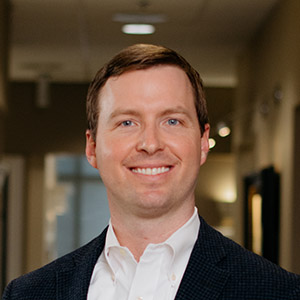
David Rainwater, DDS
General Dentist, Partner
Dr. Rainwater is a Little Rock native who earned his DDS with honors from the University of Missouri-Kansas City and completed an Advanced Education in General Dentistry residency. With 14 years in practice, he has advanced training in implants and full-arch rehabilitation at Arrowhead Dental Lab. His approach with every patient is the same: a precise, honest plan built around long-term results.
ADA Member AGD Member Implant Specialist Arrowhead Trained
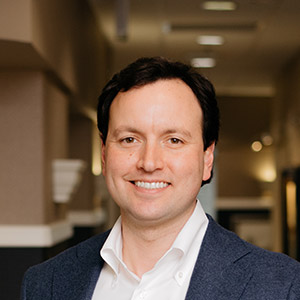
Michael Drake, DDS
General Dentist, Partner
Dr. Drake is a Little Rock native who earned his DDS from the University of Tennessee College of Dentistry. He’s completed 100+ hours of advanced training in occlusion and implant dentistry through Arrowhead Dental Lab, where he also serves as an instructor, and is a certified Invisalign provider. His training and teaching experience give him a strong understanding of complex bite, implant, and full-arch cases.
ADA Member Invisalign® Certified Cosmetic Expert AGD Member
Frequently Asked Questions About Full-Arch Rehabilitation
What is full-arch rehabilitation?
Full-arch rehabilitation is an implant-based treatment that replaces all the teeth in the upper and lower jaws, or both. The restoration is fixed in place and designed to function like natural teeth, without the movement or inconvenience of traditional dentures.
How long does full-arch rehabilitation take?
Most cases take several months from the initial consultation up to the final restoration. The timeline depends on whether extractions or bone grafting are needed and how your body heals. You'll get a clear, personalized timeline at your first visit.
Am I a good candidate?
Most patients who come in wondering if they qualify are surprised by what's actually possible. A full evaluation with 3D imaging is the best way to know, and we provide that at your first appointment. Even if full-arch rehabilitation isn't the right fit right now, we'll tell you honestly what is.
What is the difference between All-on-4 and full-arch rehabilitation?
All-on-4 is one technique used in full-arch rehabilitation. It uses four strategically placed implants to support a full arch of teeth. Full-arch rehabilitation is the more comprehensive treatment approach, and the right method depends on your bone structure, goals, and overall oral health.
How much does full-arch rehabilitation cost in Little Rock?
Costs vary depending on your treatment plan, but full-arch rehabilitation at our office typically ranges from $18,000 to $30,000 per arch. You'll get a clear, itemized breakdown at your consultation, along with help reviewing your insurance coverage and financing options. No surprises and no pressure.
Is full-arch rehabilitation painful?
The procedure is performed with local anesthesia, and sedation options are available. Most patients report mild discomfort in the days following placement that improves quickly. Many are surprised by how manageable the experience is. As with any dental procedure, there are potential risks and complications, such as infection, implant failure, or prolonged healing. These will be discussed with you in detail during your consultation so you can make an informed decision and feel fully prepared.
Can a general dentist perform full-arch rehabilitation?
Yes, with the right training. Our doctors have completed advanced full-arch rehabilitation training at Arrowhead Dental Laboratory, allowing us to treat complex cases in-house without referrals to multiple specialists.
What happens if I leave missing or failing teeth untreated?
Bone loss begins relatively quickly after tooth loss, which can affect your facial structure, your ability to eat comfortably, and your treatment options. Addressing failing teeth sooner rather than later gives you more flexibility and better long-term outcomes. We see patients regularly who waited and wish they hadn't. Earlier is almost always better when it comes to options and outcomes.
Start With a Full Arch Consultation in Little Rock
Rainwater Drake Dental has been part of Little Rock for more than 30 years. Our doctors are young, community-rooted, and committed to being here for patients long term. With 65+ years of combined experience and advanced training in full-arch rehabilitation through Arrowhead Labs, you can expect honest answers, careful planning, and a team that stays with you from start to finish.
Here’s what to expect when you contact us about full arch replacement:
- A consultation focused on your goals, not a preset treatment plan
- Advanced full-arch rehabilitation training through Arrowhead Dental Laboratory
- Cone Beam CT imaging and iTero digital scanning
- Sedation options to help you stay comfortable
- A clear cost breakdown and financing options
If you’ve been living with failing teeth, uncomfortable dentures, or ongoing dental problems, this consultation is your chance to finally understand what’s possible and what a long-term solution could look like for you.
If you've been told before that you're not a candidate, or if cost has stopped the conversation in the past, we'd still encourage you to come in. Things may have changed, and there may be more options than you realize.
Call us or drop us a message, and we will handle the rest. We will get you scheduled and make sure you feel good about coming in.